Perimenopause Night Sweats: Why They Happen & How to Manage
Tired of waking up sweaty? Learn why perimenopause night sweats happen and discover practical steps to improve your sleep with our free 14-day guide.
LIFESTYLE
Perimenopause Compasss
1/26/20268 min read
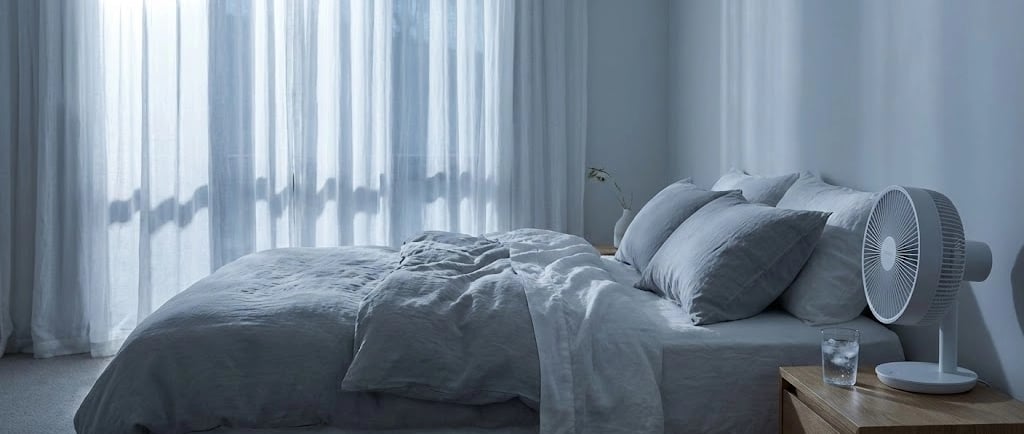
Waking up in the middle of the night with damp pajamas and soaked sheets can be one of the most disruptive experiences of the menopausal transition. Often described as drenching or intense, perimenopause night sweats are a common signal that the body’s internal thermostat is adjusting to a new hormonal landscape. This experience can leave you feeling exhausted, irritable, and frustrated by the lack of restorative rest.
At Perimenopause Compass, we believe in the power of tracking patterns, not perfection. Understanding that these shifts are a biological response rather than a personal failing can help you approach your sleep with more calm and clarity. This post is for education only; it is not intended to diagnose or treat any condition. If your symptoms are severe or concerning, please talk to a qualified clinician.
Our goal today is to provide you with practical, evidence-informed education on why you might be waking up sweaty and how you can reclaim your rest. By focusing on small, sustainable lifestyle shifts and consistent tracking, you can begin to navigate this phase with more confidence.
What perimenopause night sweats can look like in perimenopause
Night sweats are essentially hot flashes at night that occur while you are asleep. While every person’s experience is unique, they often involve a specific sequence of physical sensations that can range from mild warmth to drenching perspiration.
Sudden intense heat: A wave of warmth that typically starts in the chest, neck, or face before spreading through the body.
Copious sweating: Unlike a daytime hot flash, night sweats often produce more significant perspiration that can soak through nightclothes and bedding.
Rapid heartbeat: You may wake up feeling like your heart is racing or pounding (palpitations).
The "Chilly" Aftermath: As the sweat evaporates, it can cause a rapid drop in body temperature, leading to intense chills or shivering.
Sleep Fragmentation: Frequently waking up to change clothes or flip the pillow, making it difficult to reach deep, restorative sleep stages.
Anxiety or Panic: Some individuals experience a sudden "jolt" of anxiety or a feeling similar to a panic attack just as the sweat begins.
These episodes typically last between one and five minutes, though the resulting wakefulness can last much longer. Many women find that menopause night sweats are more stressful than daytime flashes because of the direct impact on their ability to function the next day.
Why it may happen (simple explanation)
To understand why you are waking up sweaty, it helps to think of your brain’s hypothalamus as an internal thermostat. This small region of the brain is responsible for keeping your core body temperature within a very narrow, comfortable range known as the "thermoneutral zone".
Narrowing the Zone: Estrogen helps keep this thermoneutral zone wide and stable. As estrogen levels fluctuate and decline during perimenopause, this zone narrows significantly.
The "Hair Trigger" Effect: With a narrower zone, even a tiny increase in body temperature—sometimes less than one degree—can trigger the hypothalamus to overreact. It incorrectly perceives that you are dangerously overheating.
Exaggerated Cooling: In an effort to cool you down immediately, the brain triggers blood vessels to dilate (flushing) and sweat glands to activate.
Adrenaline Spikes: Low estrogen can also lead to spikes in norepinephrine and serotonin, neurotransmitters that further disrupt the brain's "heat manager".
Essentially, your body is deploying a massive cooling response to a minor temperature shift. While this "glitch" in the thermostat is frustrating, it is a recognized part of how the brain adapts to changing hormone levels.
Common triggers/patterns worth tracking
While the underlying cause of night sweats during perimenopause is hormonal, certain external factors can act as "triggers" that set off the sensitive hypothalamus. Identifying these triggers is a key part of the "track patterns, not perfection" approach.
Alcohol Consumption: Alcohol can dilate blood vessels and cause blood sugar to drop later in the night, both of which may trigger a sweat.
Dietary Sugar: High-sugar foods or refined carbohydrates before bed can lead to blood-sugar "crashes," triggering an adrenaline spike that wakes the brain.
Caffeine: Even morning coffee can stay in the system long enough to increase cortisol levels and sensitivity to heat later that night.
Spicy Foods: Ingredients like capsaicin can physically raise core temperature, pushing a perimenopausal body out of its narrow comfort zone.
Chronic Stress: High levels of anxiety or a "busy brain" can keep the nervous system in a state of high alert, making the hypothalamus more reactive.
Bedroom Environment: Heavy blankets, synthetic pajama fabrics (like polyester), or a room temperature above $65^\circ F$ ($18^\circ C$) can trap heat.
Cycle Phase (optional): Many women notice that night sweats peak during the week before their period when estrogen is at its lowest.
Intense Late-Day Exercise: While regular activity helps overall, very vigorous exercise right before bed can leave the core temperature elevated for hours.
What to track for 14 days (simple daily log)
Tracking your data for two weeks can help you move from feeling overwhelmed to feeling informed. You don't need a medical degree to do this—just a simple daily check-in. Use a scale of 0 to 3 to keep it easy: 0 is none, 1 is mild, 2 is moderate, and 3 is severe.
Night Sweat Severity: Did you just feel warm (1), or did you have to change your sheets (3)?
Sleep Quality: How many times did you wake up? Do you feel refreshed on a scale of 1–5?
Food/Drink Triggers: Did you have alcohol, caffeine, or a large sugary treat within 3 hours of bed?
Activity Level: Did you move your body today? Was it gentle (yoga) or vigorous (running)?
Stress Levels: How "on edge" did you feel during the day? (Scale 0–3)
Bedding/Clothing: Did you use cotton/linen or synthetic fabrics?
Cycle Day: If you still have a cycle, what day are you on?
By looking at this data after 14 days, you may notice that your "bad" nights often follow specific triggers, such as a glass of wine or a particularly stressful workday.
Night sweats often get worse when your body is under stress—sleep, meals, and timing can all play a role. If you want a step‑by‑step nutrition structure, check the Perimenopause Nutrition Protocol ($29 + bonus).
https://perimenopausecompass.gumroad.com/l/iecoc
What to try first (choose 1–2 changes only)
When your sleep is suffering, it’s tempting to try ten different remedies at once. However, we recommend choosing just one or two changes to start. This makes it easier to see what actually works for your body.
The "Cooling Layer" Strategy: Switch to 100% cotton, linen, or bamboo sheets and pajamas. These natural fibers breathe better than synthetics. Use several thin blankets instead of one heavy duvet so you can adjust easily.
Optimize Your "Thermostat": Aim for a bedroom temperature between $60^\circ F$ and $67^\circ F$. Use a bedside fan to keep air moving, which helps the body dissipate heat more effectively.
The Hydration Reset: Keep a thermos of ice water on your nightstand. If you feel a sweat starting, small sips of cold water can help lower your core temperature quickly.
Pre-Sleep "Cool Down": Try a lukewarm (not freezing) shower before bed. This can help lower your core temperature and signal to your brain that it’s time to rest.
Blood Sugar Buffer: If you suspect blood sugar drops are waking you up, try a small, protein-rich snack (like a few almonds or a piece of turkey) 30 minutes before bed.
The "Pillow Flip": Keep a cold pack or a bag of frozen peas under your pillow. When you wake up feeling hot, flip the pillow to rest your face on the cool side.
A simple 7-day experiment (step-by-step)
This experiment helps you test one variable at a time to determine its impact on your perimenopause sleep.
Select Your Variable: Choose one trigger to remove (e.g., "No alcohol") or one cooling habit to add (e.g., "Bedside fan on").
Establish a Baseline: For 2 days, track your sleep and sweat severity without changing anything.
Implement the Change: For the next 5 days, consistently apply your chosen variable.
Evaluate: At the end of the week, compare your severity scores from the baseline days to the experiment days.
______________________________________
Disclaimer Education only — not medical advice. Consult a qualified healthcare professional for diagnosis and treatment.
Sources / References
Success definition:
Success doesn't have to mean zero sweats. It might mean waking up fewer times, feeling less anxious when you do wake, or being able to fall back to sleep more quickly. If you find that cooling your environment helps, you might also want to look at our guide on nutrition and hormones at magnesium-for-perimenopause-sleep-types-benefits-and-safety.
Doctor-ready notes (bring this to your appointment)
If your night sweats are affecting your quality of life, it’s a good idea to bring your 14-day tracker to your next appointment. This provides your clinician with objective data rather than just a general feeling of fatigue.
Frequency: "I am experiencing night sweats [X] nights per week."
Severity: "On average, I rate them a [1/2/3] out of 3."
Interference: "They are waking me up [X] times a night and impacting my work/mood."
Associated Symptoms: "I also have [irregular periods/brain fog/anxiety]."
Triggers Identified: "I’ve noticed they are worse when I [drink caffeine/have a high-stress day]."
Questions to ask your clinician:
Based on my age and tracker, are these likely perimenopause night sweats?
Should we run blood tests to rule out thyroid issues or iron deficiencies?
Are there non-hormonal or hormonal options (like HRT) that might be appropriate for my symptoms?
How can we monitor if these symptoms are improving over time?
What lifestyle changes would you prioritize for someone with my specific health history?
When to seek care sooner (red flags)
While hot flashes at night are a very common part of perimenopause, they can occasionally be caused by other health conditions. It is important to talk to a healthcare professional if you notice the following "red flags".
Unexplained Weight Loss: Losing 5–10% of your body weight without trying.
Persistent Fever: If your night sweats are accompanied by a high temperature or feeling "flu-ish" for more than two weeks.
Drenching Sweats Outside of Midlife: If you are well under 40 and experiencing regular drenching sweats.
Swollen Lymph Nodes: Noticing lumps in the neck, armpits, or groin.
Sudden Onset with New Medication: If sweats began immediately after starting a new prescription (such as certain antidepressants or blood pressure meds).
Chest Pain or Shortness of Breath: If the heat is accompanied by difficulty breathing or tightness in the chest.
If you experience these, don't panic—just make an appointment to have them checked out so you can rule out other causes.
Frequently asked questions
Are night sweats and hot flashes the same thing?
Technically, yes—they are both "vasomotor symptoms". However, night sweats occur during sleep and are often more intense. While a daytime hot flash might just make you feel flushed, a night sweat can result in "copious" perspiration that requires changing your clothes or sheets.
How long do perimenopause night sweats usually last?
On average, vasomotor symptoms last between 7 and 10 years, beginning in perimenopause and often peaking about a year after your final period. However, they generally decrease in frequency and intensity as your body settles into postmenopause.
Why do I get chills after a night sweat?
This is your body’s compensatory response. Because the "glitch" in the hypothalamus triggered a massive cooling response (sweating and dilating blood vessels), your core temperature actually drops too low once the flash is over. Your brain then triggers shivering and chills to bring you back up to your normal temperature.
Can stress alone cause me to wake up sweaty?
Yes. Stress and anxiety can elevate your heart rate and trigger the body’s "fight or flight" response, which includes sweating. During perimenopause, your system is already more sensitive, so a stressful day can "prime" your thermostat to overreact during the night.
Does caffeine really affect me if I drink it in the morning?
It can. Caffeine has a long half-life and can increase your baseline levels of cortisol and adrenaline. For a perimenopausal brain with a narrow "thermoneutral zone," this added stimulation can make the hypothalamus more likely to trigger a cooling response several hours later.
Are there natural supplements that help?
Some research suggests that phytoestrogens (like soy) or herbs like black cohosh may help some women, though results are mixed. It is essential to talk to a qualified clinician before starting supplements, as they can interact with other medications or health conditions.
Managing perimenopause night sweats is about finding what works for your unique body. By cooling your environment, identifying your personal triggers, and tracking your patterns, you can begin to turn down the heat and get the sleep you deserve. Remember to take it one step at a time, and don't hesitate to reach out for professional support if the "fog" feels too thick to navigate alone.
Download the free 14-day tracker
Download the free 14-day tracker
Perimenopause Compass
Contact
hello@perimenopausecompass.com
© 2026 All rights reserved.